







MUSCAT, APRIL 30
The number of patients requiring liver transplants due to Liver Cirrhosis (LC) is increasing, thanks to the lifestyle, according to the Royal Hospital registry of liver patients.
The majority of the LC issues found among the youth are due to fatty liver, unhealthy diet and the like, and the age brackets have shifted from 60s and 70s to 40s and 50s, according to the Liver Transplant Department at the Royal Hospital.
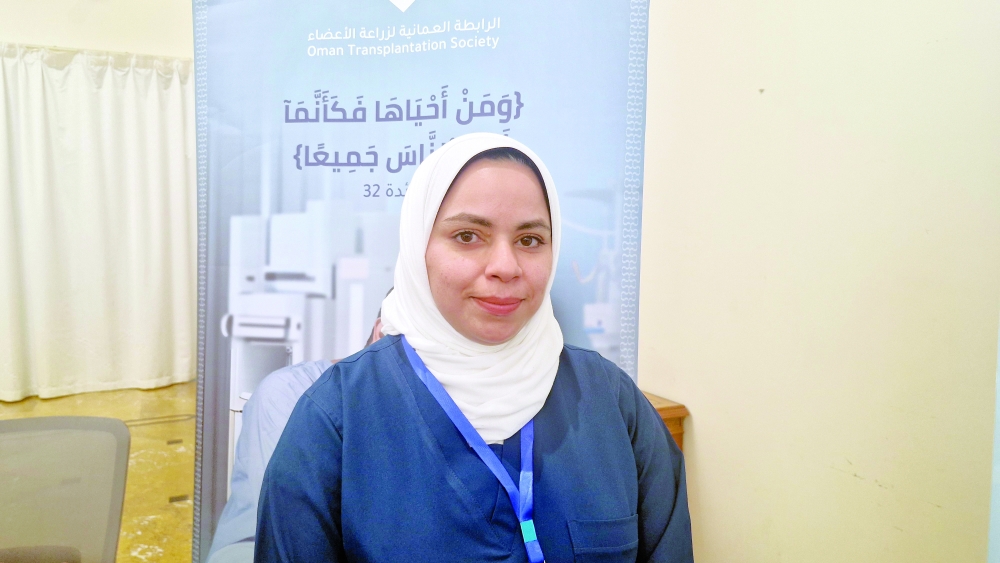
"Cases of fatty liver, specifically Metabolic Dysfunction-Associated Steatotic Liver Disease (MASLD), is rising rapidly in Oman, and there is a high prevalence in the society as per our registry," Sumayya al Harthy, coordinator, Liver Donation at Royal Hospital, said.
Studies show that the prevalence of fatty liver has reached up to 67.3 per cent and in some cases, they are often linked with obesity and diabetes (58.3 per cent of patients in a study).
"Liver cirrhosis is late-stage, chronic liver scarring (fibrosis) caused by conditions like chronic hepatitis and fatty liver disease. It causes permanent, irreversible liver tissue damage, replacing healthy tissue with scar tissue, causing liver failure."
According to the registry, MASLD/NAFLD is responsible for about one-third of liver cirrhosis cases in Oman. It is recognised as a major contributor to liver transplants due to its metabolic complications.
It is a 'silent' disease often showing no symptoms until advanced, the majority of the symptoms include fatigue, jaundice, swelling, and easy bruising which require prompt, often lifelong, management to prevent further damage.
"In the past, it used to be found among people aged 60s or 70s, but we are seeing more cases among the young population of late, say people in mid-40s and 50s who require transplant and there are more male patients than female patients who are diagnosed with fatty liver," Al Harthy added.
This silent condition can lead to liver cirrhosis, cancer and cardiovascular complications, which need lifestyle interventions and better screening initiatives to control the rise.
"Fatty liver can be reversed by an active lifestyle, a healthy diet with low sugar and low processed food, and regular exercise. Regular check-ups are advised for individuals with diabetes, high cholesterol, or obesity," Al Harthy said.
Oman Observer is now on the WhatsApp channel. Click here


